The 2026 Outlook for Teacher Salaries in the US: State-by-State Analysis
Anúncios
The 2026 outlook for U.S. teacher salaries is shifting rapidly as recent state-level legislative changes alter regional compensation baselines.
Drawing from updated official data, this report details what has changed, why these localized wage adjustments matter, and which key economic indicators to monitor next across the country.
Understanding the Current Landscape of Teacher Compensation
The landscape of teacher compensation in the United States is complex, marked by significant disparities across states and districts.
Recent legislative efforts and advocacy campaigns have brought the issue of teacher pay to the forefront, pushing for substantial changes.
As we approach 2026, understanding the trajectory of these changes becomes crucial for educators, policymakers, and communities alike.
Anúncios
The focus remains on how various states are addressing the long-standing challenges of attracting and retaining qualified teaching staff.
This comprehensive analysis delves into the nuances of recent salary increases, offering a clear perspective on the progress made and the challenges that persist in ensuring competitive pay for teachers nationwide.
The 2026 outlook for teacher salaries in the US is a critical discussion point.
Recent Legislative Action and Funding Initiatives
Numerous states have enacted new legislation aimed at boosting teacher salaries, recognizing the direct link between competitive pay and educational quality.
These initiatives often involve allocating additional state funds or adjusting existing funding formulas to prioritize educator compensation.
For instance, several states have implemented multi-year plans to raise minimum teacher salaries, ensuring a baseline income for all educators.
Other approaches include performance-based pay structures or incentives for teaching in high-need areas, all contributing to the 2026 outlook for teacher salaries in the US.
Anúncios
These legislative actions reflect a growing consensus that investing in teachers is an investment in the future of education. The impact of these policies will be fully realized by 2026, providing a clearer picture of their effectiveness.
State-Specific Salary Increases and Their Mechanisms
- California: Significant increases tied to district-level negotiations, often exceeding state minimums.
- Texas: Focus on merit-based pay and retention bonuses, particularly in rural and underserved districts.
- Florida: Legislated minimum salary increases and additional funding for high-performing teachers.
- New York: Ongoing collective bargaining agreements driving salary growth, often above national averages.
Beyond these states, many others have also made strides, with varying degrees of success and different implementation strategies.
The diverse approaches highlight the localized nature of education funding and policy decisions impacting the 2026 outlook for teacher salaries in the US.
Understanding these state-specific mechanisms is key to appreciating the broader national trends. Each state’s unique economic and political landscape influences its capacity and willingness to invest in teacher compensation.
The Economic Factors Influencing Teacher Pay
Economic conditions play a pivotal role in shaping the 2026 outlook for teacher salaries in the US. Inflation, state budget surpluses or deficits, and the overall economic health of a region directly impact the ability to fund salary increases.
During periods of economic growth, states are often more inclined and able to allocate greater resources to education, including teacher pay.
Conversely, economic downturns can lead to budget cuts, sometimes stalling or reversing salary gains.
The current economic climate, characterized by fluctuating inflation and varying state fiscal health, presents both opportunities and challenges for sustained teacher salary growth.
This dynamic environment requires constant monitoring to project future trends accurately.
Impact of Inflation and Cost of Living
While nominal salary increases may appear substantial, the real purchasing power of teacher salaries is often eroded by inflation and the rising cost of living.
This is particularly true in high-cost-of-living areas, where even significant raises might not keep pace with expenses.
Policymakers are increasingly aware of this challenge, with some states exploring ways to tie salary adjustments to local cost-of-living indices.
This approach aims to ensure that increases genuinely improve teachers’ financial well-being, a crucial aspect of the 2026 outlook for teacher salaries in the US.
Addressing the cost of living gap is essential for retaining experienced educators and attracting new talent to the profession, especially in urban centers and desirable suburban districts.
State-by-State Analysis: Pockets of Progress and Persistent Gaps
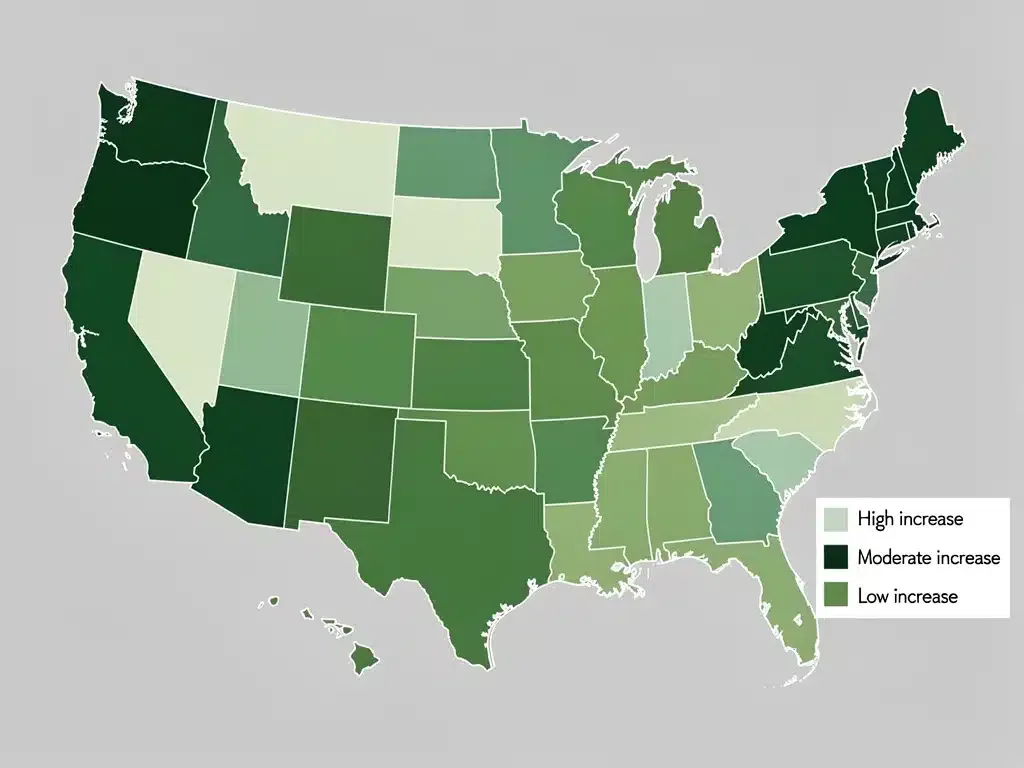
A detailed state-by-state analysis reveals a mixed bag of progress and ongoing challenges regarding teacher salaries. Some states have made remarkable strides, implementing aggressive salary schedules and significant increases.
These states often benefit from strong state economies, robust education advocacy, and a political will to prioritize teacher compensation. Their efforts serve as models for other states looking to improve their own teacher pay structures.
However, other states continue to lag, with teacher salaries remaining stagnant or failing to keep pace with inflation.
These states often face budgetary constraints, competing priorities, or a lack of sustained political momentum for teacher pay reform, impacting the 2026 outlook for teacher salaries in the US.
Key Findings from Recent State Reports
- Average Salary Growth: States like New Mexico and Mississippi have seen some of the largest percentage increases in recent years.
- Minimum Salary Standards: States such as Arkansas and Alabama have raised their minimum teacher salaries to competitive levels.
- Regional Disparities: Northeastern and Western states generally report higher average salaries, while Southern states often lag, though some are catching up.
The disparities are not merely about overall dollar amounts but also about the rate of increase and the sustainability of those increases. Understanding these regional differences is vital for a holistic view of teacher compensation.
These findings underscore the need for continued advocacy and policy intervention to ensure equitable and competitive pay for all educators, regardless of their geographic location.
The 2026 outlook for teacher salaries in the US will be heavily influenced by these ongoing efforts.
Teacher Retention and Recruitment: The Salary Connection
The direct correlation between competitive salaries and the ability to attract and retain high-quality teachers is undeniable. States with higher teacher pay often report lower teacher turnover rates and a healthier pipeline of new educators.
Conversely, states with lower salaries struggle with teacher shortages, particularly in critical subject areas and underserved communities. This directly impacts student outcomes and the overall quality of education.
As the 2026 outlook for teacher salaries in the US takes shape, the focus on this connection is intensifying.
Addressing salary issues is seen as a key strategy to mitigate the looming teacher shortage crisis and ensure a stable, experienced teaching workforce.
Strategies Beyond Base Pay
While base salary increases are crucial, many states are also exploring other incentives to enhance teacher compensation and retention. These include:
- Health Benefits and Retirement Plans: Robust benefit packages can significantly increase the overall value of a teacher’s compensation.
- Professional Development Opportunities: Funding for advanced degrees and certifications can lead to higher pay scales and career growth.
- Housing Assistance Programs: Some high-cost areas are piloting programs to help teachers afford housing, indirectly boosting their effective income.
These additional strategies aim to create a more attractive and sustainable career path for educators, addressing both financial and professional needs.
The combined impact of these efforts will define the success of teacher retention initiatives by 2026.
The holistic approach to compensation, encompassing both direct salary and indirect benefits, is becoming a hallmark of progressive education policy.
This comprehensive view is essential for improving the 2026 outlook for teacher salaries in the US.
The Role of Teacher Unions and Advocacy Groups
Teacher unions and various advocacy groups play a significant role in shaping the conversation around teacher salaries and pushing for policy changes.
Their collective bargaining power and lobbying efforts have been instrumental in securing many of the recent pay increases.
These organizations often highlight the economic realities faced by teachers and advocate for fair compensation that reflects their professional expertise and dedication. Their influence extends to both state legislatures and local school boards.
As discussions continue regarding the 2026 outlook for teacher salaries in the US, the voices of these groups will remain critical in ensuring that educators’ needs are heard and addressed. Their ongoing efforts are vital for driving sustained progress.
Successful Advocacy Campaigns
Recent years have seen several high-profile teacher strikes and protests, which have often resulted in significant salary concessions. These actions demonstrate the power of organized advocacy in bringing about tangible improvements in teacher pay.
Beyond strikes, ongoing legislative advocacy, public awareness campaigns, and direct engagement with policymakers are standard tactics. These efforts aim to build broad public support for better teacher compensation and influence budgetary decisions.
The success of these campaigns is a testament to the dedication of teachers and their allies in fighting for a fair wage. Their continued vigilance will be crucial for maintaining momentum towards a positive 2026 outlook for teacher salaries in the US.
Projections for 2026: What to Expect
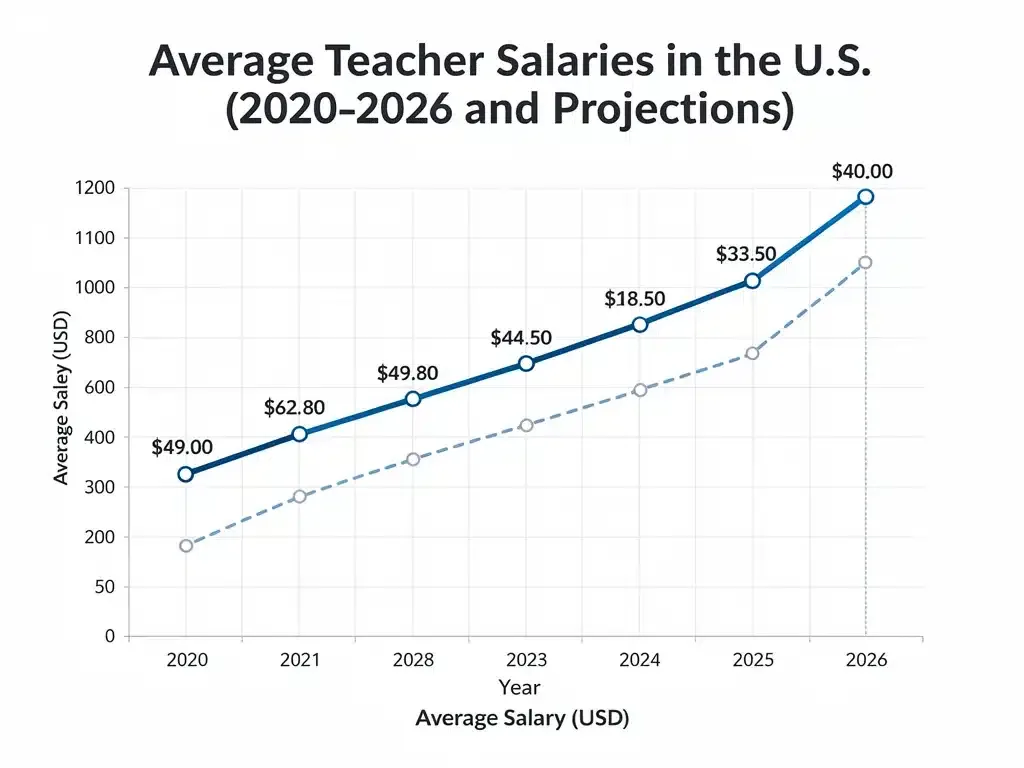
Looking ahead to 2026, projections suggest a continued, albeit uneven, upward trend in teacher salaries across the US.
The momentum generated by recent advocacy and legislative action is expected to carry forward, though challenges remain.
Experts anticipate that state-level initiatives will continue to be the primary drivers of salary growth, with federal involvement likely focusing on supplementary programs rather than direct salary mandates.
The 2026 outlook for teacher salaries in the US hinges on state commitment.
However, economic uncertainties and shifting political priorities could introduce volatility. Therefore, continuous monitoring of state budgets and legislative sessions will be essential to track the actual trajectory of teacher pay.
Anticipated Challenges and Opportunities
- Budgetary Constraints: Potential economic slowdowns could limit available funds for further increases.
- Political Will: Sustaining political support for teacher pay reform will be crucial in the face of competing demands.
- Innovative Funding Models: Opportunities exist for states to explore new, sustainable funding mechanisms for education.
- Data-Driven Decisions: Increased use of data to demonstrate the impact of salary on teacher quality and student outcomes.
The interplay of these factors will ultimately determine the extent of salary improvements by 2026. The focus will remain on balancing fiscal responsibility with the imperative to adequately compensate educators.
The ongoing dialogue between stakeholders, coupled with a commitment to evidence-based policy, will be key to navigating these challenges and seizing opportunities for growth in the 2026 outlook for teacher salaries in the US.
Long-Term Impact on Education Quality
The long-term impact of improved teacher salaries on education quality is profound. When teachers are compensated fairly, it enhances job satisfaction, reduces burnout, and encourages talented individuals to enter and remain in the profession.
This stability and expertise within the teaching force directly translate to better instruction, improved student engagement, and ultimately, higher academic achievement.
The 2026 outlook for teacher salaries in the US is intrinsically linked to this larger goal.
Investing in teacher salaries is not merely an expenditure; it is a strategic investment in the human capital that drives our educational system. The benefits ripple through classrooms and communities for generations.
Beyond Monetary Value: Professional Respect
Beyond the direct financial benefits, competitive salaries also convey a sense of professional respect and value.
When society adequately compensates its educators, it elevates the entire profession, attracting individuals who view teaching as a highly respected and viable career path.
This increased respect can lead to a more positive public perception of the teaching profession, further encouraging talented individuals to consider it.
The 2026 outlook for teacher salaries in the US contributes significantly to this cultural shift.
Ultimately, a respected and well-compensated teaching force is foundational to a robust and equitable education system capable of preparing students for future challenges.
The ongoing efforts to improve teacher pay are crucial for this broader societal goal.
| Key Point | Brief Description |
|---|---|
| State Initiatives | Many states are actively increasing teacher salaries through legislative action and new funding models. |
| Economic Impact | Inflation and cost of living significantly affect the real value of salary increases for educators. |
| Retention & Quality | Higher salaries are crucial for attracting and retaining quality teachers, improving overall education. |
| 2026 Projections | Continued upward trend expected, driven by state policies and ongoing advocacy efforts. |
Frequently Asked Questions About Teacher Salaries
What is the average teacher salary in the US for 2024?▼While exact figures vary by state and district, the national average teacher salary for 2024 is estimated to be around $66,000. This figure includes a range of experience levels and educational backgrounds. It’s important to note that this is an average, and many teachers earn significantly more or less depending on their location and years of service.
Which states have seen the largest teacher salary increases recently?▼States such as New Mexico, Mississippi, and Arkansas have implemented some of the most significant percentage increases in teacher salaries in recent years. These increases are often the result of dedicated legislative efforts and increased state funding aimed at improving educator compensation and addressing teacher shortages across the state.
How does inflation affect the real value of teacher salaries?▼Inflation can significantly erode the purchasing power of teacher salaries. Even with nominal pay raises, if the cost of living increases at a faster rate, teachers’ real wages effectively decrease. This is a critical concern, especially in high-cost-of-living areas, where salary increases may not keep pace with expenses, influencing the 2026 outlook for teacher salaries in the US.
Are teacher salaries expected to continue rising through 2026?▼Projections indicate a continued, though potentially uneven, upward trend in teacher salaries through 2026. This growth is largely driven by ongoing state-level initiatives and strong advocacy from teacher unions and educational organizations. However, economic conditions and state budgetary decisions will play a crucial role in the actual extent of these increases.
What role do teacher unions play in salary negotiations?▼Teacher unions are highly influential in salary negotiations through collective bargaining and lobbying efforts. They advocate for better pay, benefits, and working conditions for educators, often playing a critical role in securing significant salary increases at both state and local levels. Their activism directly impacts the 2026 outlook for teacher salaries in the US.
Looking Ahead: Sustaining Progress in Teacher Compensation
The 2026 outlook for teacher salaries in the US shows a clear trajectory of increasing investment, yet sustaining this momentum requires ongoing vigilance.
Policymakers and communities must remain committed to competitive compensation to ensure a high-quality education system.
Future developments will hinge on continued state-level legislative action, robust economic conditions, and the unwavering advocacy of educators and their supporters.
The challenge lies in translating current progress into long-term, equitable salary structures. However, even as baseline wages hit historic highs in several states, macroeconomic pressures continue to present a moving target for school boards.
Economic analysis shows that when accounting for the broader cost of living, real purchasing power remains a critical hurdle, as detailed in recent reporting on how teacher pay is rising but still lagging behind cumulative inflation according to NPR.
Monitoring the impact of these salary increases on teacher retention and student outcomes will be crucial.
This continuous assessment will inform future policy decisions and solidify the foundation for a well-compensated and respected teaching profession across the nation.